


Please before diving in, read this disclaimer.
I am looking forward,
I am looking forward and over the past few years, we’ve been trained to think about power in abstract terms. Data, software, algorithms, networks. AI models stacked on top of each other, scaling infinitely, frictionlessly, almost magically thank to infinite capex. That mental model worked as long as failure was ‘tolerable’.
It breaks the moment failure becomes unacceptable.
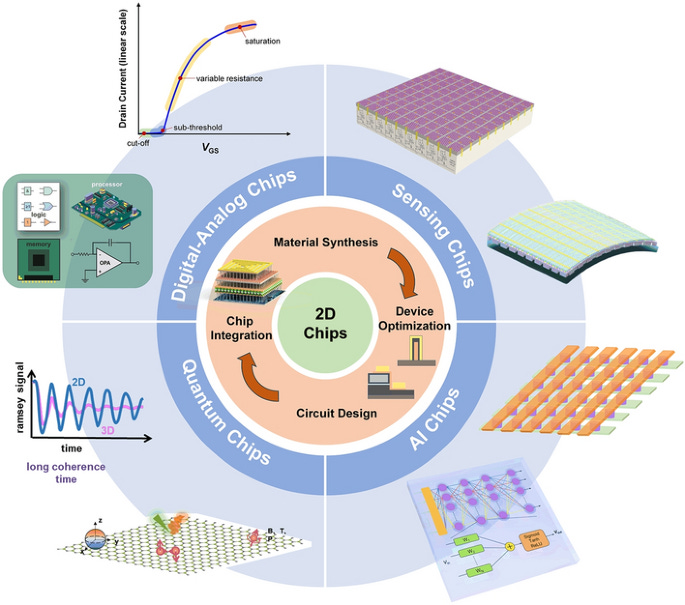
Modern power systems no longer live in safe, controlled environments. They are being deployed and live in fighter jets, satellites, submarines, missile guidance systems, nuclear plants, telecom backbones, energy grids. Places where downtime is not a KPI but a liability. Places where you don’t “patch” or “restart.” Places where a single fault cascades into political, military, or human consequences.
And yet, at the core of all these systems sits the same thing: electronics.
Fragile, precise, heat-sensitive, vibration-intolerant electronics.
This is the quiet contradiction of the modern world. The more sovereign, militarized, and automated our systems become, the more they rely on components that fundamentally dislike the physical world they are deployed into.
We talk endlessly about digital dominance (myself included don’t get me wrong), strategic autonomy, and technological leadership. But none of it matters if the system fails when exposed to heat, shock, radiation, moisture, or time. Sovereignty collapses not because the software “was wrong”, but because the hardware stopped behaving.
That’s why the current phase feels different from past tech cycles. Endurance. Endurance is a thing, again.
There are systems that must operate for ten, twenty, sometimes thirty years without intervention. About environments that actively try to destroy precision. In that context, the real question is not who has the smartest algorithm. It’s who can guarantee that the algorithm still runs when everything around it goes hostile.
That’s where most narratives get oddly, very very lazy.
➤ We point to data (me, a lot) and AI.
➤ We point to software.
➤ We point to compute.
All of those matter. None of them survive “on their own”.
You can design the most advanced system on paper, NVIDIA is really impressive. But if the component dies under heat, vibration, radiation, or humidity, the chain breaks instantly. The bottleneck is the chips own reliability.
I am afraid, when put into the real world, the decisive layer is the physical one.
The thin, unglamorous interface where fragile electronics meet an unforgiving world. The layer that absorbs stress, isolates chaos, manages heat, blocks moisture, and keeps signals flowing without compromise. Or the layer that turns a lab-grade component into something that can be trusted in combat, in orbit, or in critical infrastructure.
Once you see that, the map changes. It changed for me.
This stops being a technology story.
It becomes an physical infrastructure story.
And once you accept that the physical layer is a serious constraint, the question naturally shifts from “who builds the smartest systems?” to “who controls the reliability envelope those systems depend on?”
Only then does it make sense to talk about companies.
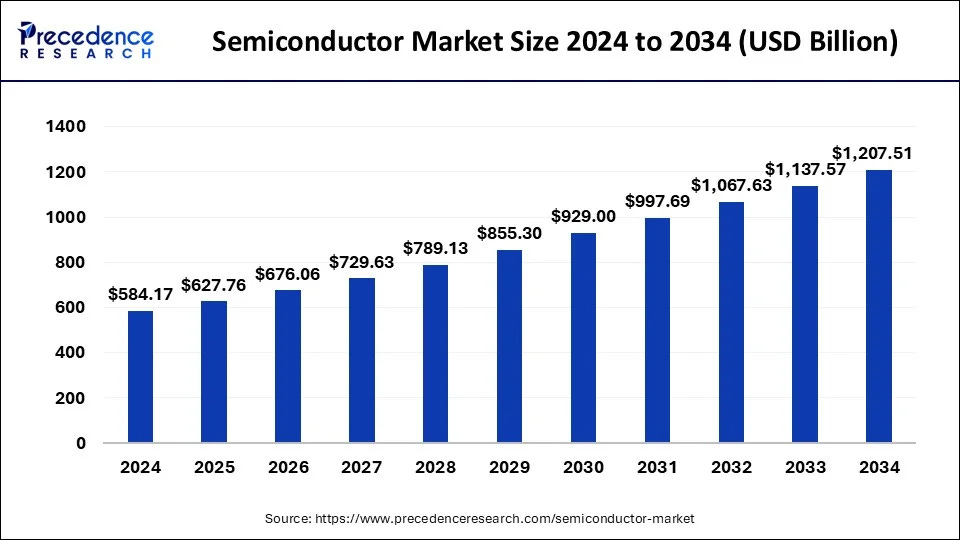
Electronics absolutely hate the real world
A microchip, left alone, is fragile. I mean it is physically.
It fails when exposed to:
humidity (even microscopic!), oxygen, heat cycles, vibration, pressure, radiation and chemical corrosion.
Yet we insist on putting electronics:
in fighter jets, inside missiles, in satellites, next to nuclear reactors, under the sea, or inside the human body!!
That is the core contradiction in my opinion.
The more critical the mission, the more hostile the environment.
And the more fragile the electronics at the core.
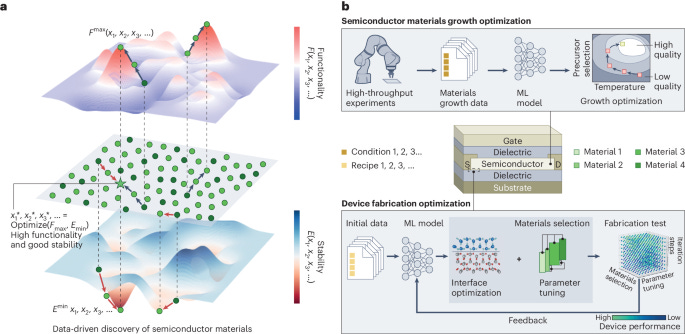
The naïve solution (that really doesn’t work)
You might think:
“Just make better chips.”
And you’d be right on the idea. But that fails for two reasons.
Physics!
Silicon does computation well.
It does not like water, heat, radiation, or shock. Not at all.Economics
You don’t redesign a chip every time you change the environment.
Defense and space use low volumes, long lifecycles, frozen designs.
So the problem cannot be solved inside the chip.
It must be solved around it.
The real problem
How do you allow fragile, high-precision electronics to operate flawlessly for 10–30 years in environments that actively try to kill them?
That’s the genesis problem.
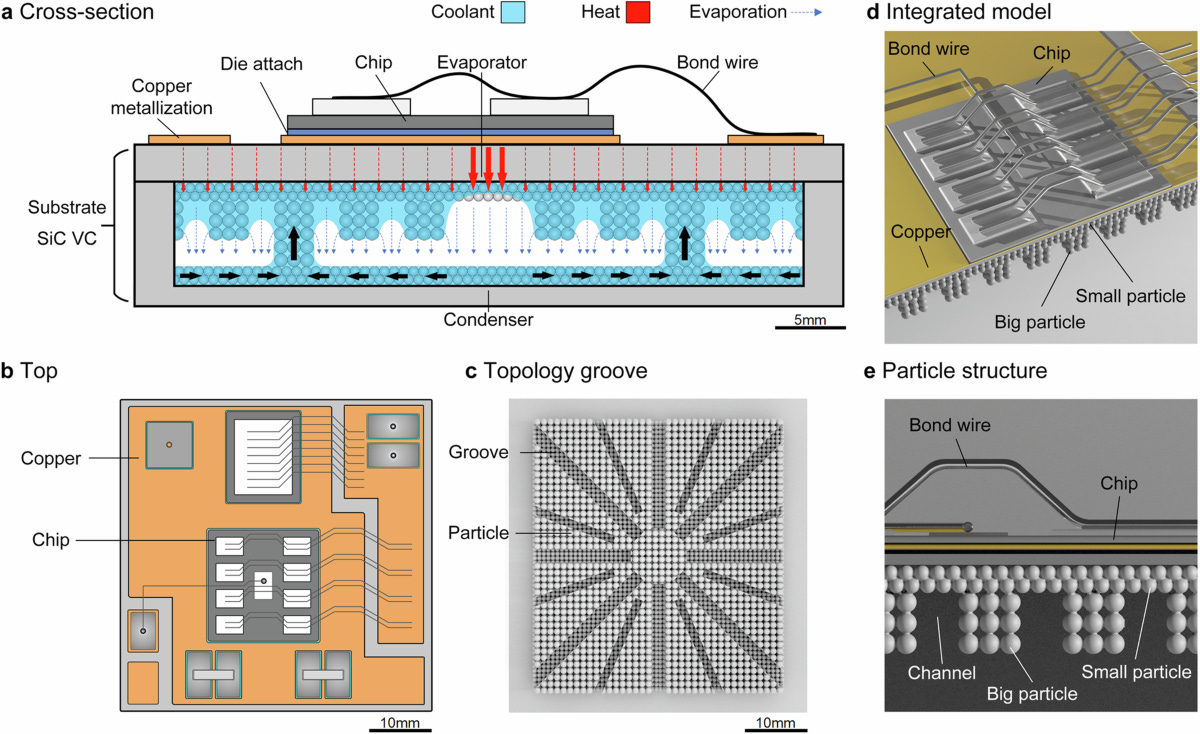
The solution space
There are only two levers:
Change the environment (usually just impossible).
Isolate the electronics from it.
So you have to find a company that build artificial micro-environments.
Kind of tiny vaults.
Because for critical infrastructures (jets, missiles, nuclear plant) as I said, to fail is not an option.
Why this problem is harder than it sounds
Because the seal must be:
perfect (micron-level leaks kill systems),
permanent (decades, not months),
electrically connected (signals must pass through),
thermally managed (heat must escape without breaking the seal),
manufacturable (repeatable, certifiable).
This is not packaging like a box. It is closer to organ transplantation than shipping and I am not even kidding here. It is that important.
Why this problem reappears again and again and again…
Because progress makes it actually worse.
Every trend amplifies the need:
more compute → more heat,
more precision → more fragility,
more autonomy → less maintenance,
more militarization → harsher conditions,
more sovereignty → longer lifecycles, less vendor switching.
We are not moving toward safer environments, but pushing electronics further into the fire of hell.
Finding the Company
The question that is interesting here is not to find a bullshit stock nobody cares about because at the end of the day the use cases are not that important: low tech consumer product, basic IoTs, … et j’en passe et des meilleures. The goal is to identify the company that will evolve in a specific niche: i.e the critical use cases : energy, space, war.
I made it. It’s European, it’s not covered and it’s coming back on track on the financial lens.
I will of course present you everything, ask the right questions and find the right stuff to track.
Of course, this company is a massive BUY.
This is not a typo, but I clearly see the stock doing 10x in a couple of years due to the critical aspect of its activity.
And wait until they find out by themselves that some business cases could be for highly specialized computer/AIs.
Also… I got you a potential optionality in a niche use case of data center…
Here are the questions we will address:
1. Why should I care about such a boring company?
2. What is the real bottleneck in militarization and sovereignty?
3. Is this just a cyclical industrial, or something structurally different?
4. Why can’t big players just crush this player ? (Moat conversation)
5. Is Europe actually serious about sovereignty, or is this just talk?
6. Why this player specifically? Why not another supplier?
7. Is this a compounder or an option?
8. What actually needs to go right for this to work?
9. What kills the thesis?
10. What am I really buying if I buy the stock today?
If you want to support my work, you can subscribe!
Let’s go.
Keep reading with a 7-day free trial
Subscribe to Hidden Market Gems to keep reading this post and get 7 days of free access to the full post archives.